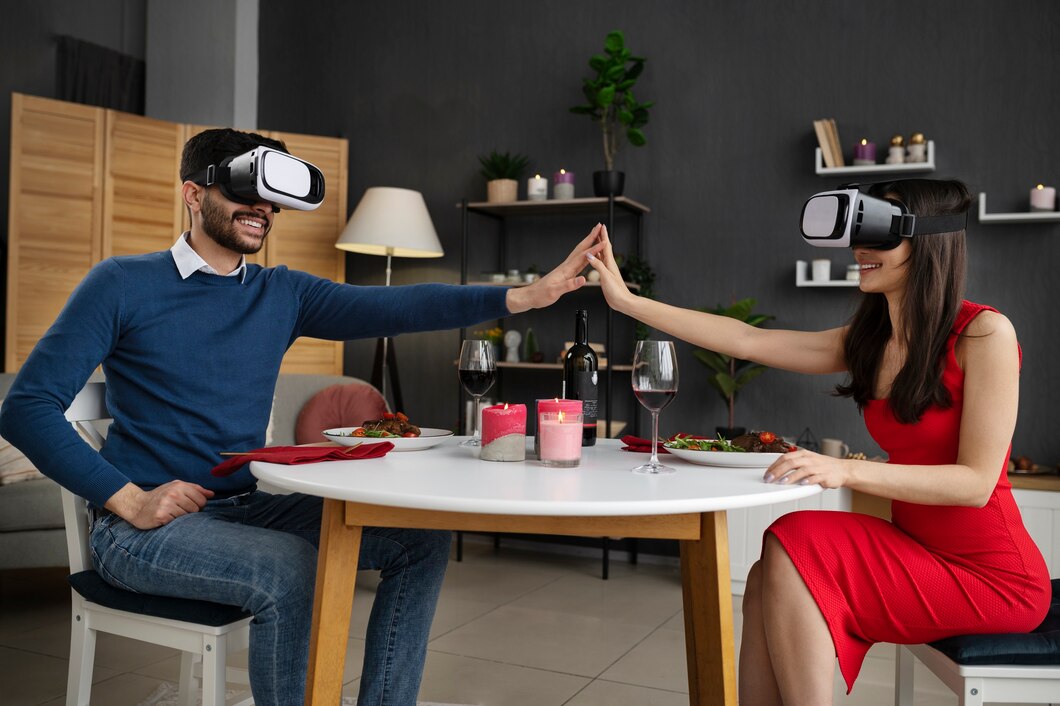
Virtual reality gaming has rapidly evolved from a niche technology into a legitimate and growing retail category. In 2026, VR hardware is more accessible, more advanced, and more affordable than ever before, creating strong demand among both casual and dedicated gamers.
For gaming retailers, VR is no longer a novelty product — it is now a serious business opportunity.
The VR Market Has Matured
Early VR systems faced several challenges, including high prices, limited software libraries, and uncomfortable hardware design. Modern VR headsets have addressed many of these issues through improved ergonomics, better display technology, wider fields of view, and stronger game support.
PlayStation VR2 introduced VR gaming to a large existing PlayStation audience, while standalone headsets made virtual reality more accessible without requiring expensive gaming PCs.
As prices have become more affordable, consumer adoption has continued to grow, driving stronger retail demand across multiple buyer segments.
Which VR Products Are Performing Well
In the UAE market, PlayStation VR2 remains one of the strongest-selling console-based VR platforms due to the popularity of the PlayStation ecosystem and its exclusive gaming titles.
Standalone VR headsets continue to attract buyers looking for wireless, self-contained experiences that do not require additional hardware. Their appeal extends beyond gaming into productivity, media consumption, and fitness applications.
PC-connected VR systems still maintain strong demand among enthusiast gamers who regularly upgrade hardware and invest in premium experiences.
Retailers who stock products across multiple VR categories can serve a broader customer base at different price points.
VR Accessories Increase Basket Value
VR accessories create valuable additional sales opportunities alongside headset purchases. Popular products include lens protectors, carrying cases, replacement face cushions, controller grips, and cable management solutions.
Customers investing in VR equipment are often willing to purchase accessories that improve comfort, protect their hardware, or enhance the overall experience.
Keeping accessories available alongside headsets helps increase transaction value while improving customer satisfaction.
Be Ready for Common Customer Questions
Retail staff selling VR products should be prepared to answer common buyer concerns confidently.
Customers frequently ask about setup difficulty, available game libraries, physical play-space requirements, compatibility with existing hardware, and motion sickness concerns. Knowledgeable staff members who can explain these factors clearly are more likely to convert interested visitors into buyers.
Product knowledge remains one of the most effective sales tools in the VR category.
How Retailers Should Approach VR Inventory
Retailers entering the VR market should begin by aligning VR inventory with their existing gaming product lines. Stores already selling PlayStation hardware can naturally expand into PlayStation VR2, while PC-focused retailers can introduce compatible PC VR solutions.
Where possible, in-store VR demo stations can significantly improve customer engagement. Buyers who experience VR firsthand are often much more likely to complete a purchase.
Keeping accessories stocked alongside hardware also helps maximize sales opportunities during the initial transaction.
Final Thoughts
VR gaming has firmly established itself as a growing category within the UAE gaming market. As hardware improves and consumer interest continues to rise, retailers who invest in VR product lines today position themselves for long-term growth.
Ace Games Trading LLC supplies VR gaming hardware, accessories, and gaming equipment wholesale across the UAE, helping retailers maintain access to authentic products with reliable stock availability.